
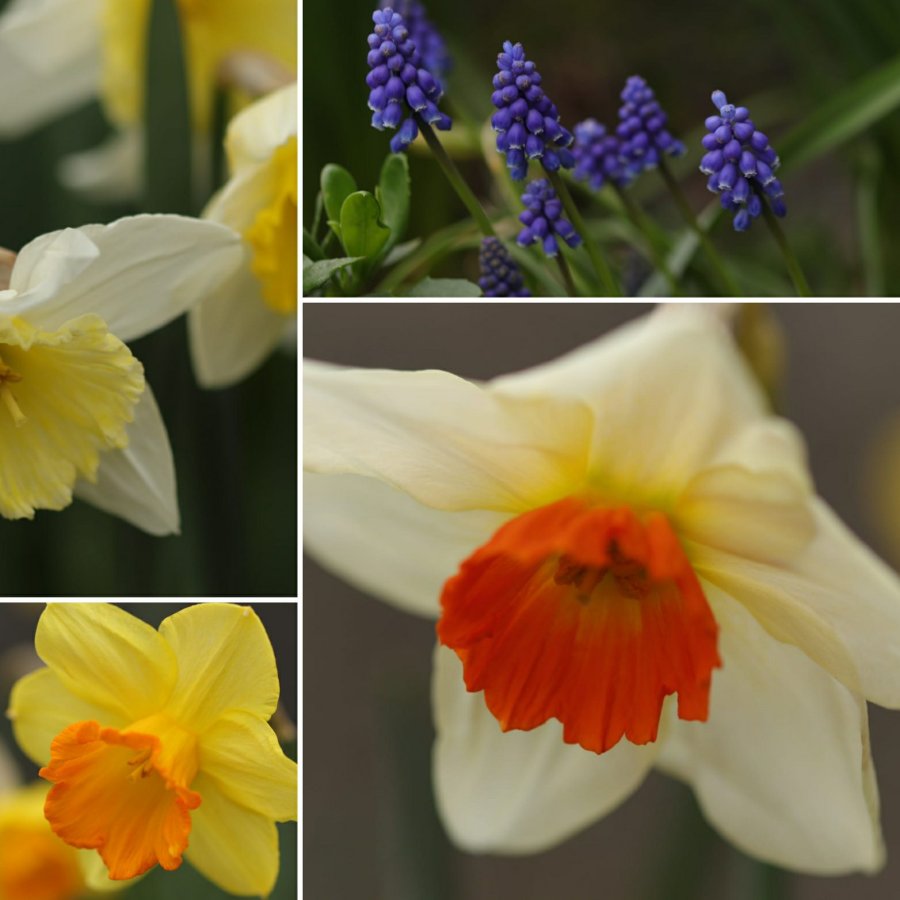
Although for some the flipping of a calendar page from 31st January to 1st February can herald the arrival of spring, in truth the early weeks of this short month often prove too cold and too damp and too grey to warrant sowing any significant quantity of garden or allotment seeds. Of course, exception being those that can be started with a supplementary heat and light source: chilli peppers perhaps, aubergines and a few early tomato varieties if the intent is to extend the season by beginning the successional routine right here at the beginning. And should the month prove inclement throughout, well make no mistake, by February’s end, even with a hidden wintry sting, spring is certainly discernible in the borders and hedgerows, with polyanthus and primulas, massing daffodils, muscari and crocuses as on the monster’s measure, or perhaps like us the first bud burst, with the blossom on the miniature Mount Fuji cherry finally showing through its jumbled puzzle of characteristic zig-zag bare winter branches.
By February’s end if spring is not fully sprung, it is at least, springing, and come St. David’s day no matter what the weather, you just know it is spring.
The last day of February; skies are grey with temperatures about normal for time of year. It has been drier than normal since mid-January, and this has also been the experience in quite a number of other European regions, with lower-than-expected snowfall on many a piste and lake levels currently 30-40% below average late winter levels.
Although drier than normal and with air temperatures a good two degrees above normal for most of the month, the last days of February had air temperatures fall back to normal with a sudden sharper fall for this 1st week of March; a return to chilly days and frosty nights, and for this reason more than any other we have not lost the run of ourselves with seeding.
The tomato, aubergine and salvia seed we did sow has germinated and we’ll prick-out and pot on over the coming days. We’ve sown some chilli peppers, and though a little later than usual we’ve sown about 20 pots of sweet-peas. We have gladioli corms and dahlia tubers we’ll start in pots in the coming days, and this coming weekend we source our seed potatoes and begin the chitting process. The onion sets and shallots shall also be laid out, along with the parsnip seed and the trays of summer bedding.
Without warning we once again find ourselves in many-weathered March. We can expect rain and sleet, gales and snow, bright sun and frosty windows and sometimes all in the same day. The light lengthens in March and we begin to get evenings. By the equinox on 21st of the month the days begin to outlast the nights, and this is what really makes the difference, the extra light that comes with spring.
Although into spring, early March still has cold, cold soil; too cold to plant out anything remotely tender, but woody shrubs and perennials can be placed out now on the early empty garden canvas, and early March is most definitely the last chance saloon for pruning currant and berry bushes, and if not done as yet, rose bushes and late flowering climbers.
By month’s end there probably won’t be enough hours in any given day to complete all we plan to do. All the late autumnal and winter prep should begin to pay dividends. The tool racks and hooks empty. The stacks of empty pots and trays migrate to every available light filled surface. Redundant hoes, spades and sprongs are re-vitalized and imbued with a new found usefulness, whilst visitation hours to the monster’s measure extend on a weekly and sometimes daily basis, and sure come daylight saving on 26th of the month we’ll be out plotting away till dusk before end of the month.
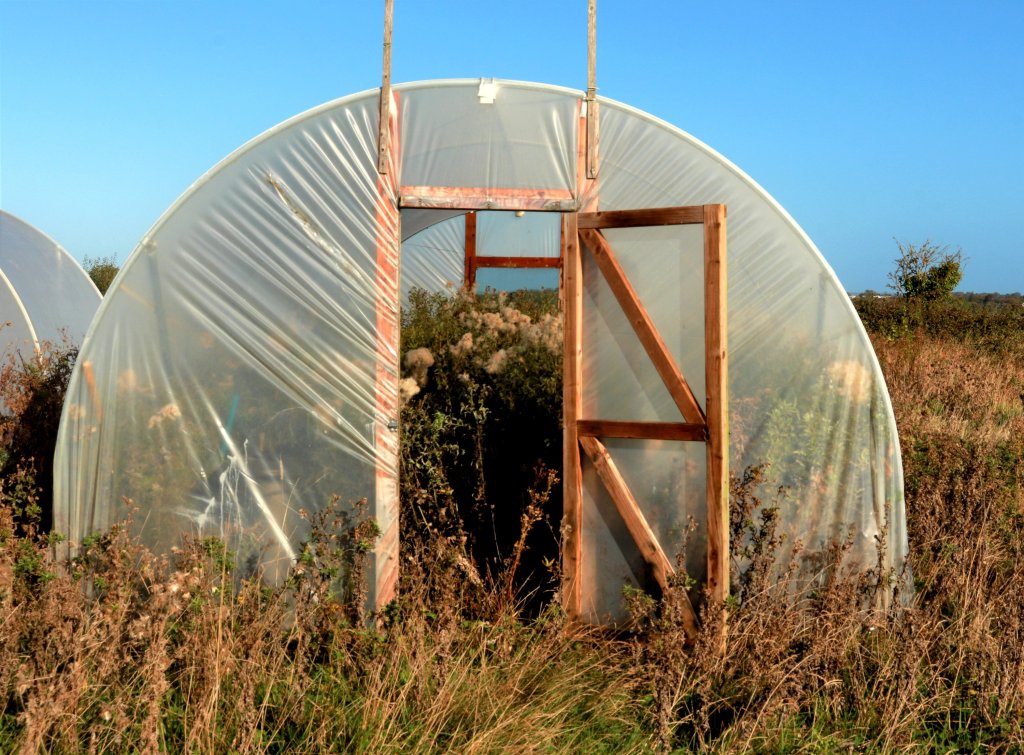
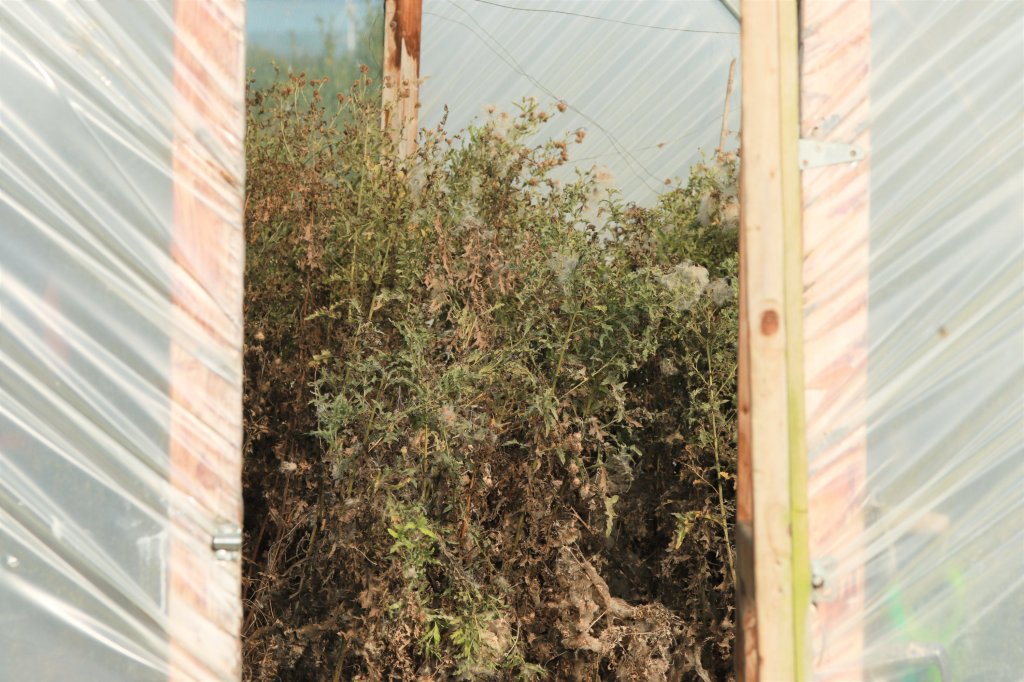
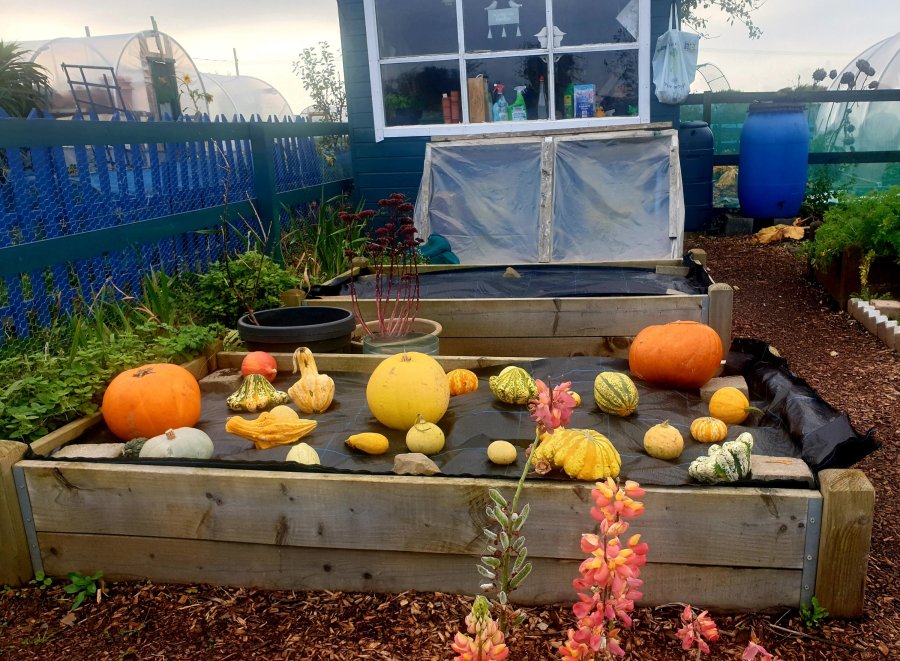
 Monster In The Corner...